Our story
We are parents.
We know what it is like to explain the same things repeatedly to different adults supporting a child — a new teacher in September, a paraprofessional in October, a coach in the spring.
Important details get lost. Teachers and professionals are busy. And parents sometimes remember the most important detail only after the meeting is over.
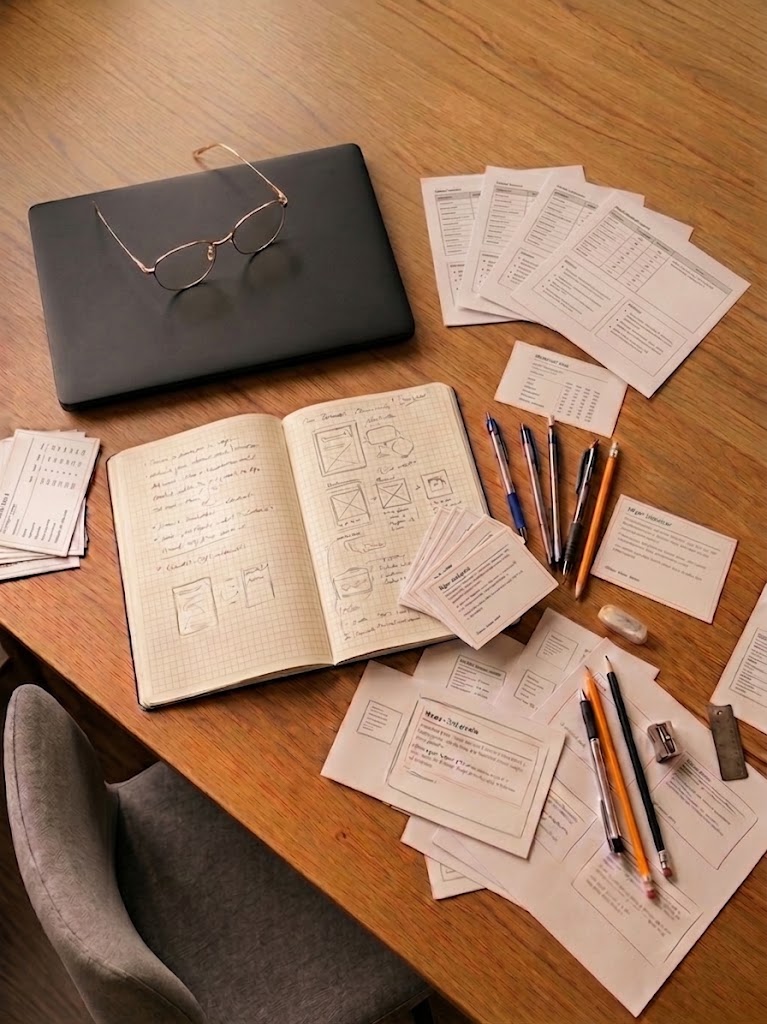
This tool was created to help organize those details before they disappear.
We are not here to tell you who your child is. You already know them. We help you put that knowledge into words other people can use.
Designed around what helps, not who your child is
This is not a database about your child. It is a tool for organizing the practical knowledge you already carry with you.
We only ask for the information needed to make a useful card — no full name, no school, no address. Initials or a nickname are usually enough.
Your card is built in your browser and stays there — nothing about your child is ever sent to us. You keep it as a PDF and a backup file on your own device.
Our story
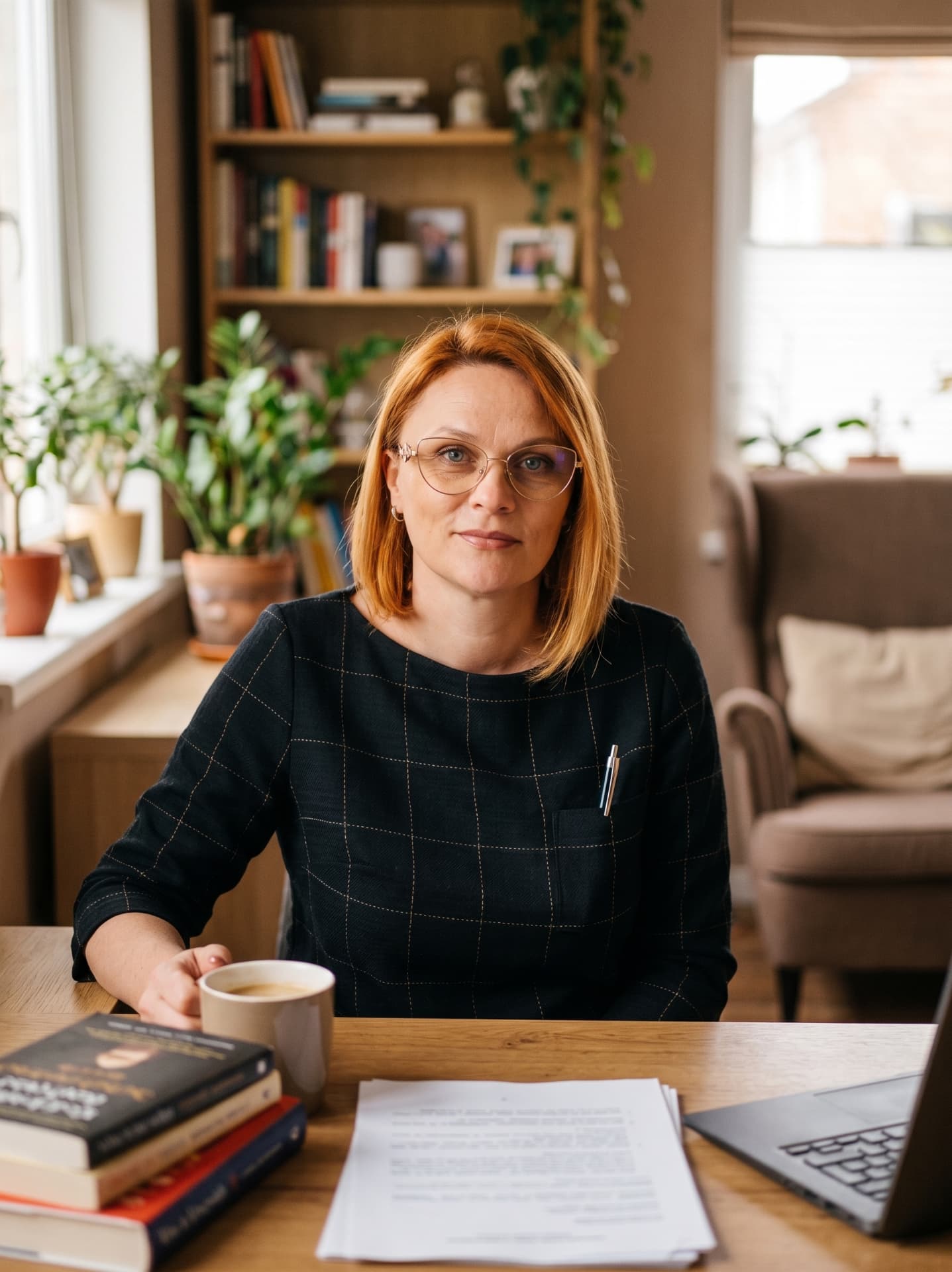
My name is Sandra, and I am a journalist. Or at least, I used to be.
After my second son was born prematurely, there were times when the only things I still felt certain about were my name - and how fiercely I loved him.
I know how lucky I am. My children are here. They are healthy. My husband is beside me. I do not take any of that for granted.
But unless you are raising a neurodivergent child, it can be difficult to understand what an "invisible" difference can mean for everyday family life.
It is another level of vigilance. Of planning. Of explaining. Of protecting. Of anticipating what might happen next.
Yes, every parent cares for their child around the clock. But fighting for a child who experiences the world differently can feel like a second full-time life running underneath the first.
And one of the hardest places to be is somewhere between categories.
When your child is not quite considered "typical", but does not neatly fit the criteria for specialized support either, they can end up belonging nowhere. General education settings may feel unable to meet their needs. Specialist settings may say they are not the right fit. The child gets passed back and forth while everyone seems to be saying, in one way or another: "Maybe someone else can take this on."
But he is not a problem to be passed on.
He is a funny, bright, wonderful little boy.
And when I am not there, I do not expect someone else to love him the way I do. That would be an impossible thing to ask.
What I hope for is simpler.
I want the adults around him to understand him. To know that what looks like refusal may sometimes be overwhelm. That directness is not always cruelty. That movement may help him regulate. That a small warning before a change can make an enormous difference. That there are things we have learned about him through years of living beside him that may help someone else support him too.
In an ideal world, every person caring for our children outside the home would somehow become a little bit of a "backup parent" - not replacing us, but carrying a small piece of what we know when we cannot be there.
That is why I am here. And that is why this project exists.
To help parents put into words the things they know by heart, so the people around their children have a better chance of seeing the whole child - not just the difficult moment.
So, to all of you raising kids who don't quite fit the usual boxes: I see you. And I am sending you a very big hug.